A roof usually starts costing you money long before it starts leaking. That is why homeowners ask, when should shingles be restored? The right time is not when the roof is failing. It is when the shingles are aging, drying out, and losing protection — but still have enough structural life left to be saved.
For many homeowners, that window is the difference between a manageable maintenance decision and a full replacement bill. If your roof still looks mostly intact but is showing wear, fading, granule loss, brittleness, or minor trouble spots, restoration may be the smarter move. Wait too long, and your options shrink fast.
When Should Shingles Be Restored Instead of Replaced?
Shingles should be restored when they are weathered but not destroyed. That means the roof is showing clear signs of age, yet the underlying structure is still sound and the shingles have not curled beyond recovery, blown off in large sections, or suffered widespread failure.
In practical terms, restoration makes sense when your roof is in that middle stage. It is no longer new, but it is not at the end of the line either. This is where many homeowners make an expensive mistake. They either do nothing and let the roof keep drying out, or they assume replacement is the only option. Neither is always true.
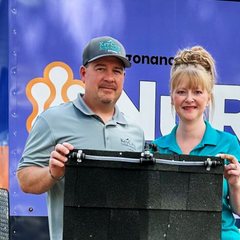
At Key City Surface Solutions, we use NuRoof — a nano-silica treatment certified through Gonano — which is designed to replenish flexibility and help extend the life of aging asphalt shingles. That matters because shingles do not usually fail all at once. They age gradually. The oils dry out, the surface weakens, and the roof becomes more vulnerable to cracking, impact damage, and water intrusion. If you catch that process early enough, you may be able to avoid costly repairs and delay replacement by years.
The Signs Your Shingles Are Ready for Restoration
The most common signal is simple age. If your roof is well into its life cycle and starting to show wear, it deserves a closer look. A roof does not need to be leaking to be at risk. In fact, the best time to act is often before interior damage starts.
Look at the surface condition. If the shingles appear dry, faded, or worn, that is often a sign they are losing the protective qualities that help them flex and shed water properly. If you notice granules collecting in the gutters, that also points to surface breakdown. Some granule loss is normal over time, but heavy loss means the shingles are being exposed and worn down faster.
Brittleness is another warning sign. When shingles lose flexibility, they are more likely to crack during temperature swings, high winds, or hail events. In the East Kootenay, where roofs deal with strong sun, freeze-thaw cycles, and seasonal weather extremes, that kind of wear can build quickly.
You should also pay attention to small isolated problem areas. A few damaged shingles, early edge wear, or light patchiness across the roof may still leave plenty of room for restoration. Widespread structural issues are different. If the roof deck is compromised or moisture has been getting underneath for a long time, restoration may no longer be the right fit.
When Should Shingles Be Restored for the Best Financial Result?
The best financial time to restore shingles is before major repairs become necessary. That is the sweet spot. Once water gets into the decking, insulation, soffits, or interior finishes, the job gets more expensive in a hurry.
This is why waiting for a leak is a bad strategy. By the time water shows up inside the house, the roof has usually been deteriorating for a while. What could have been a preventative treatment turns into repair work, and sometimes replacement.
It also helps if you are trying to manage household costs. For homeowners who want to act now without carrying the full cost up front, we also offer flexible financing options that make the decision easier.
Age Matters, but Condition Matters More
A lot of people want a simple answer based on years alone. That would be convenient, but roofs do not age on a perfect schedule. One 12-year-old roof may still be in decent shape, while another of the same age may already be drying out badly.
That depends on ventilation, sun exposure, installation quality, slope, storm history, and routine maintenance. A roof that takes full southern exposure can age faster. So can a roof that has dealt with repeated hail or ice buildup.
That is why condition matters more than the calendar. If the shingles are still lying flat, the roof system is sound, and the wear is mostly surface-level, restoration is often worth serious consideration. If the roof has advanced curling, major missing sections, sagging, or deep water damage, replacement may be the safer path. This is not about pretending every old roof can be saved. It is about identifying the roofs that still can. Take a look at our before and after gallery to get a sense of what that range looks like.
Why Homeowners Wait Too Long
Most homeowners are not ignoring their roof on purpose. They are busy, the damage is gradual, and from the ground the roof may look good enough. There is also a common belief that roof work only matters when there is an obvious emergency.
That mindset leads to reactive spending. Instead of making a smart maintenance decision at the right time, homeowners are forced into a major expense later. The better approach is simple. Treat the roof like any other asset. If it is showing wear, get it assessed. If it can be restored, act while the roof is still a candidate. That gives you more control, lower costs, and fewer surprises.
For homeowners planning to stay in their house, this helps preserve long-term value. For those thinking about selling in the next few years, a healthier-looking roof can also improve curb appeal and reduce buyer concerns.
What Makes a Roof a Poor Candidate for Restoration?
Restoration is powerful, but it is not magic. Some roofs are too far gone.
If shingles are severely curled, heavily broken, missing in many areas, or if there is major structural damage underneath, restoration may not deliver the result you need. The same goes for roofs with long-term leak issues that have already affected the decking or interior components.
In those cases, replacement may be the right call. A trustworthy assessment should tell you that clearly. The goal is not to sell a treatment at any cost. The goal is to help you avoid replacement when it is still avoidable.
The Practical Time to Act
If you are asking the question now, that is already a sign to stop guessing and get the roof checked. You do not need to wait for shingles to blow off or for water stains to appear on the ceiling.
The practical time to act is when your roof is aging, your shingles are wearing out, and you want to avoid being cornered into a full replacement. That is exactly where restoration delivers the most value.
Key City Surface Solutions works with homeowners across the East Kootenay who want to extend roof life, protect what they already own, and avoid spending thousands before they have to. A roof does not have to be new to be worth protecting — it just has to be treated before neglect turns a salvageable surface into a replacement project. Get in touch for a free assessment and we will tell you exactly where yours stands.
Frequently Asked Questions
What are the signs shingles are ready for restoration?
Shingles that look dry, faded or worn, granules collecting in the gutters, early brittleness, and small isolated problem areas on a roof that is otherwise intact.
Does roof age or condition matter more?
Condition. Two roofs of the same age can be in very different shape depending on sun exposure, ventilation, installation quality, slope and storm history.
What makes a roof a poor candidate for restoration?
Severely curled or broken shingles, shingles missing in many areas, structural damage underneath, or long-term leaks that have already affected the decking.
When is the best financial time to restore shingles?
Before major repairs are needed. Once water reaches the decking, insulation or interior finishes, the job becomes much more expensive.